Resemble AI Ad Study Finds 1 in 11 Ads on Meta Platforms Contain AI-Generated Media, Many Featuring UGC-Style “Reviews”
Study of 37,768 ads from 509 brands: 57% have run AI-generated ads, 70% of fake images were built to pass as real, and
Press Release Disclaimer: This is a press release distributed through the XPR Media network. It has not been independently verified by our newsroom.
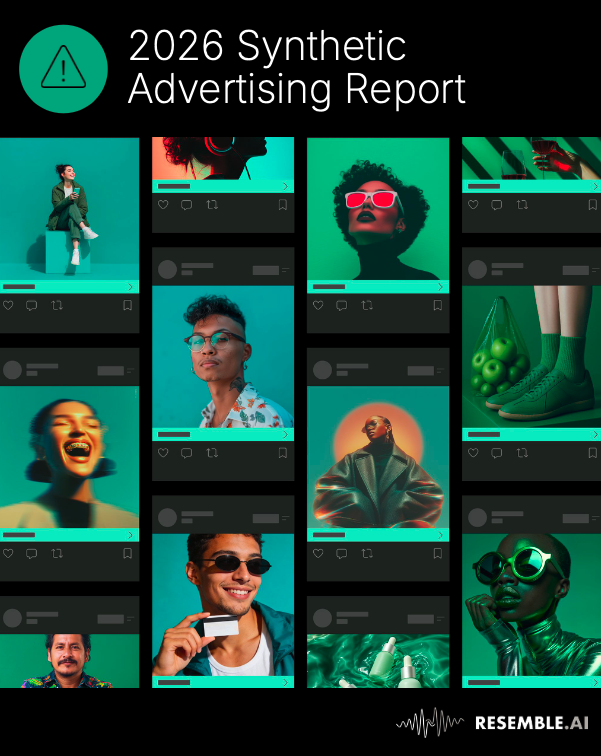

Study of 37,768 ads from 509 brands: 57% have run AI-generated ads, 70% of fake images were built to pass as real, and only 0.06% disclosed AI use
MOUNTAIN VIEW, CA, UNITED STATES, October 22, 2026 /EINPresswire.com/ — Resemble AI, the generative AI security platform, today released the 2026 Synthetic Advertising Report, the first large-scale, independent audit of how much AI-generated media is actually running inside the ads people see every day on Meta’s Facebook and Instagram. Using its deepfake detection engine, Resemble AI scanned 37,768 image and video files from 15,433 ads run by 509 companies across 26 industries. The findings: AI-generated advertising is already mainstream, it is overwhelmingly designed to look real, and the audience is almost never informed.
Synthetic Advertising Is Everywhere
One in every 11 ad files in the study (8.9%) contained AI-generated or manipulated media. More than half of all brands (222 of 389) had run at least one AI ad from their own page, and among brands that used AI more than once, one in eight of their ads was synthetic. Adoption cut across every industry, from consumer packaged goods (13.4%) and consumer electronics (12.6%) to banking, pharma and fast food. A handful of major advertisers, including Temu, Wayfair, Motel 6 and Lufthansa, used AI in more than half of their sampled ads.
Key Findings
– Seven in ten fakes were designed to pass as real. 70% of AI ads were photoreal, meaning they were made to pass as a real photo or real video. Nearly half (46%) depicted a person, most often a hyper-realistic model, and only about 1 in 9 fakes was stylized enough that a viewer would recognize it as AI.
– The “customer” in the ad may not exist. Brands used AI to generate selfie-style testimonials and phone-shot videos that imitate real customer footage. Resemble Detect flagged UGC-style ads from Teladoc, MoneyLion, Dave and Tarte Cosmetics as AI-generated with 99% or higher confidence.
-Disclosure is effectively zero. Just 2 of 3,379 AI files (0.06%) mentioned AI in the ad copy. Only one brand, Turkish Airlines, proactively disclosed its own ad. None of 971 files checked carried C2PA content credentials, the industry standard for provenance, including every confirmed fake.
– The fakes you can’t see are the ones you hear. In a second scan of nine sportsbook, prediction market and crypto brands that checked audio as well as visuals, 44% of fakes (62 of 142) were caught only by their audio: real footage paired with a synthetic voice. Crypto and brokerage ads were the most synthetic in the entire study at 29.3%, and OKX ran AI in nearly half its ads.
– Real creators are finding their likeness or background in AI-generated ads. YouTuber Elliot Choy discovered a Kalshi ad built from his own apartment-move video, with AI swapping him for a white man who doesn’t exist. He found out only because he recognized his own apartment.
“Generative AI is a powerful creative tool for advertisers, and more than half of the brands we scanned ran at least one AI-generated ad, which is to be expected. However, most of those ads were built to look like real photos and video, and almost none in that style disclosed that AI was used,” said Zohaib Ahmed, CEO of Resemble AI. “Disclosure should be a shared responsibility between the advertiser and the platform hosting the content. Until there is a clear federal rule for AI in advertising, brands that want to keep their customers’ trust should watermark and clearly label AI-generated content.”
When Nobody Labels, Nobody Can Tell
AI is everywhere in advertising, and almost none of it is disclosed. That gap is now a legal, reputational and trust problem at once. New York’s synthetic performer disclosure law took effect in June. South Korea requires on-screen labels for AI-generated virtual people in ads. The EU AI Act’s labeling rules are coming into force. And most of these laws put the burden on the advertiser, not the platform.
Meanwhile, the same generative tools brands use for polish, scammers use to impersonate them. Real creators and athletes are finding their faces, backgrounds and scripts inside ads they never agreed to. Without detection, labeling and consent working together, consumers can’t tell a real testimonial from a generated one, and brands lose control of their own name.
A Playbook for Brands and Agencies
– The report does not argue that brands should stop using generative AI. It argues that undisclosed, photoreal synthetic media is a liability brands are now carrying without knowing it. Resemble AI recommends that marketers and their agencies:
– Know what is in your brand’s creative. Companies used AI at roughly the same rate regardless of headcount or marketing team size, which means the question is not whether a brand’s pipeline contains synthetic media but where, including creative produced by agencies and partners. Audit before regulators or reporters do.
– Treat a synthetic person differently from a synthetic backdrop. A generated backing track and a generated spokesperson are not the same risk. A synthetic voice or face presented as a real customer, creator or athlete is where deception, consent and legal exposure concentrate.
– Disclose by default, and make it easy. Turkish Airlines showed that a single line of ad copy is all it takes. A clear, consistent AI disclosure costs nothing and gets ahead of a rapidly expanding patchwork of labeling laws and potential legal liability.
– Watermark what you make and monitor what uses your name. Provenance credentials on brand-created content, plus active monitoring for bait pages and lookalike ads, are now baseline brand protection, not a nice-to-have.
The full report, methodology and calculation appendix are available here.
Clint Bagley
Resemble AI
clint.bagley@resemble.ai
Visit us on social media:
LinkedIn
Instagram
YouTube
X
Other
Legal Disclaimer:
EIN Presswire provides this news content “as is” without warranty of any kind. We do not accept any responsibility or liability
for the accuracy, content, images, videos, licenses, completeness, legality, or reliability of the information contained in this
article. If you have any complaints or copyright issues related to this article, kindly contact the author above.

Media gallery